


Every now and then, a movie comes around and completely knocks your socks off. That recently happened when I finally got around to watching Train Dreams after the new Netflix original landed on the 2025 movie schedule. A masterful work of art by director Clint Bentley, this melancholic and meditative story about a logger (played by Joel Edgerton) overcoming the brutality of nature and personal tragedy resonated with more than most films this year, for a myriad of reasons.
Though I was wrapped up in the film’s decades-spanning story, the stunning visuals, and some of the best narration I’ve heard in years (Will Patton is incredible in this capacity), I kept thinking about a classic Russian movie and how similar they were. Turns out, it was no coincidence….
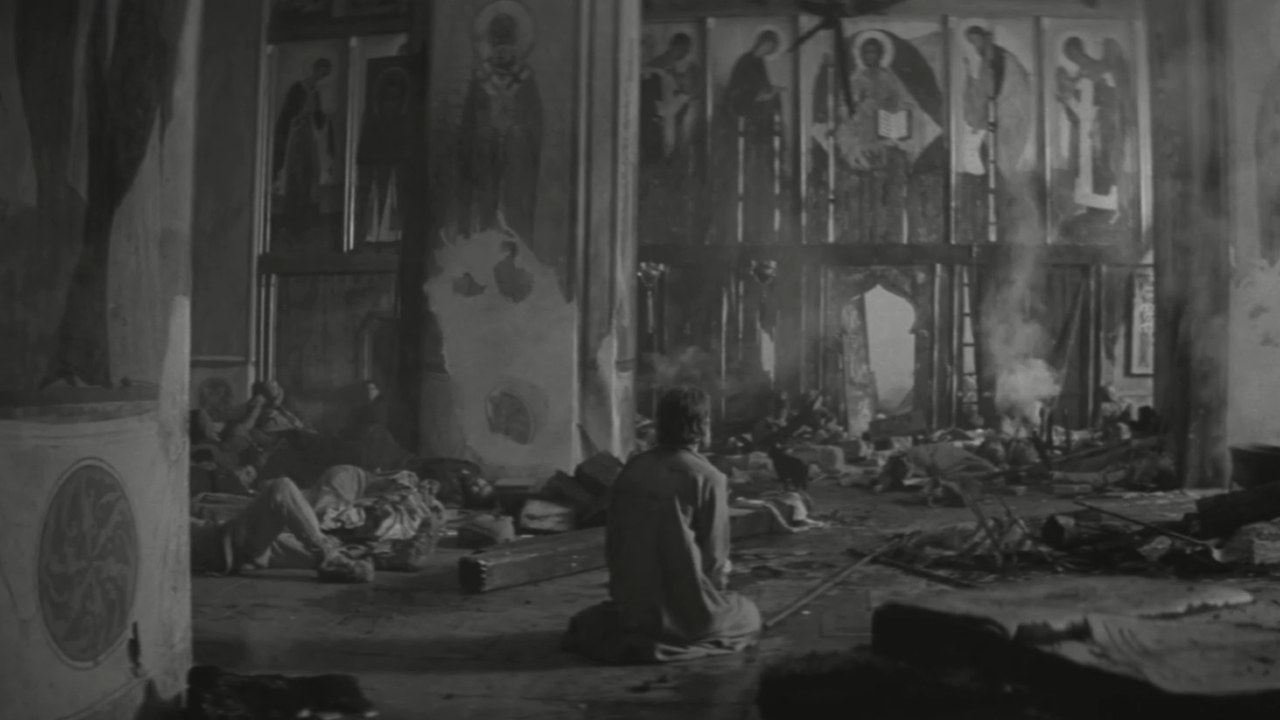
While Watching Train Dreams, I Kept Thinking About Andrei Tarkovsky’s Andrei Rublev
Throughout Train Dreams, I kept being reminded of Andrei Rublev, a 1966 Russian epic directed by Andrei Tarkovsky that spends three hours documenting the trials and tribulations of a 15th-century icon painter trying to survive an unforgiving terrain and even harsher society. It’s a brutal, unflinching, yet powerful exploration of art, redemption, and a person’s ability to endure seemingly insurmountable odds and immense sorrow over the course of multiple decades.
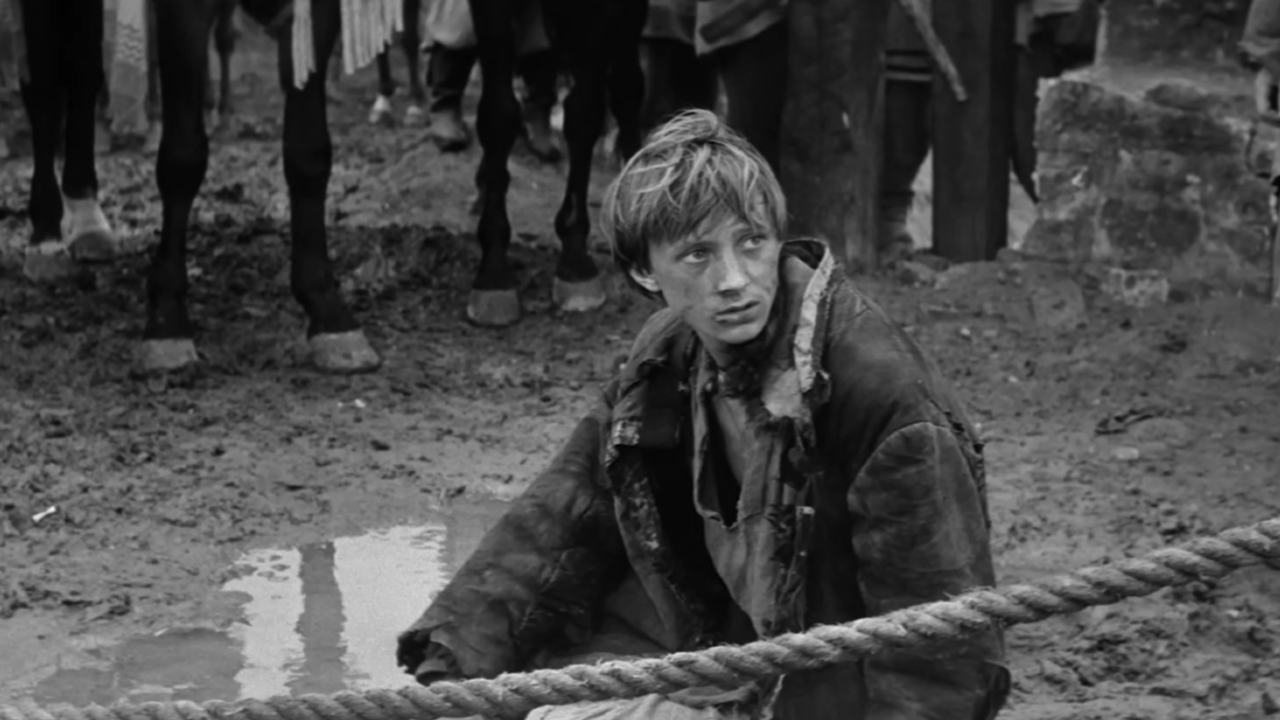
It Turns Out The 1966 Russian Epic Heavily Influenced Clint Bentley’s Film
After watching Train Dreams and its emotional exploration of loss and grief, I looked around for interviews where Clint Bentley talked about what influenced his latest film. It didn’t take long for me to stumble upon a chat he had with Filmmaker Magazine, where he talked about Andrei Tarkovsky’s films, specifically Andrei Rublev:
I put together my list of influences, and [cinematographer Adolpho Veloso] put together his deck, and we presented each other’s decks, and Tarkovsky was a big overlap even from the beginning. He was a huge influence in terms of the way he approached time periods. When I watch Andrei Rublev, it feels like a document of a time rather than some sort of period piece or a theater piece.
This “document of time” could also be applied to Train Dreams, as it feels like a story honoring the past and more of a time machine taking us back to one of the most consequential times in American history. It doesn’t feel like a period piece, instead something more powerful and raw.
Later on, I found an article on Letterboxd, where Bentley broke down the films that influenced Train Dreams the most. Wouldn’t you know it, Andrei Rublev was at the top of the list. When talking about the black-and-white drama, the director had this to say:
In Tarkovsky’s hands, the past feels completely alive in all its terror and beauty and strangeness. Feels like you could step inside any frame of this film. Watching the bell sequence for the first time was one of the greatest cinematic experiences I’ve ever had.
After watching Train Dreams, Bentley’s comments about “terror and beauty and strangeness” make perfect sense. His film has an almost dreamlike quality to it, which is found throughout Andrei Rublev. If you haven’t seen the bell sequence he referenced, you have to check it out, as it’s influenced everything from There Will Be Blood to The Brutalist and so much more.
Train Dreams is currently streaming for anyone with a Netflix subscription. If you want to see what Andrei Rublev is about and have three hours, it’s available on the Criterion Channel.